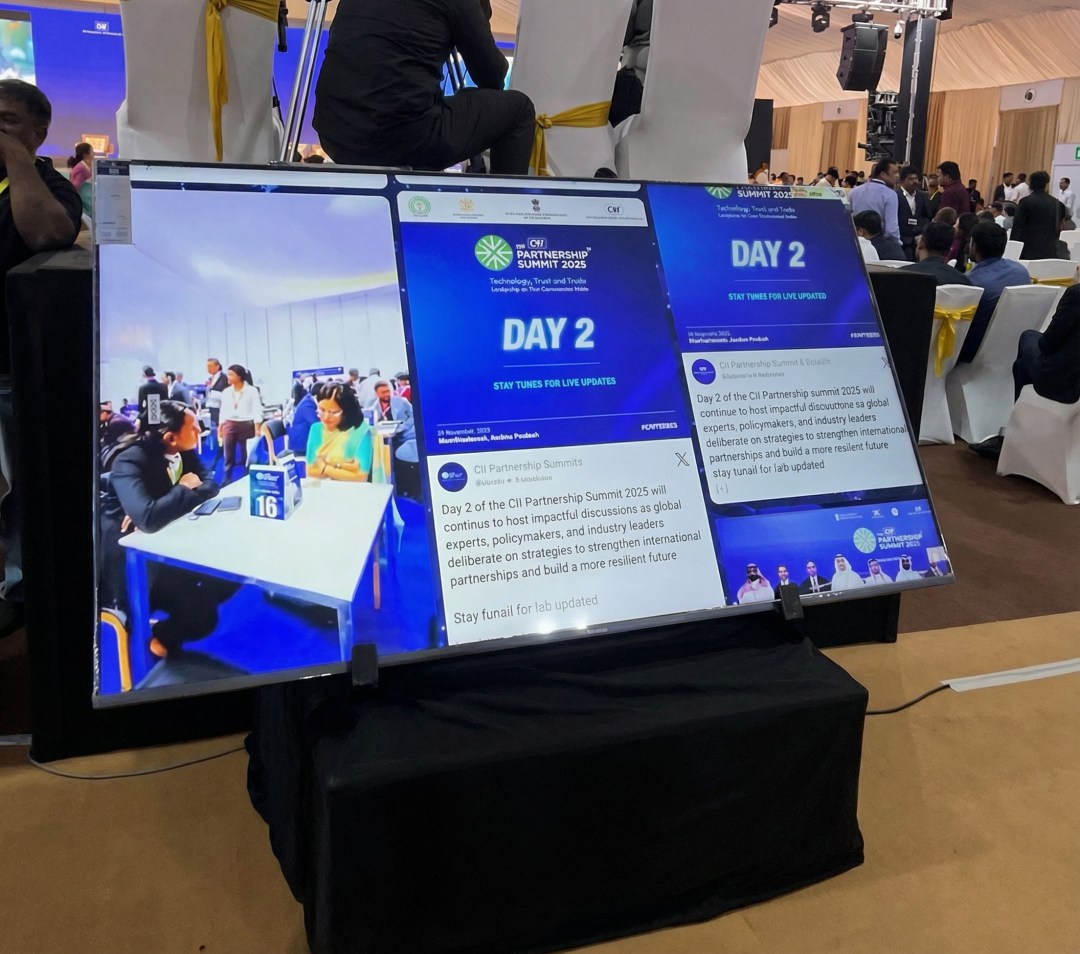
Social media has changed the way people experience events, brands, and even everyday moments. Today, audiences don’t just attend events or visit websites—they want to participate, share, and be seen. That’s exactly where a social media wall comes in.
Whether it’s a conference, brand launch, wedding, retail store, or digital campaign, social media walls have become one of the most effective ways to turn passive viewers into active contributors.
In this guide, we’ll break down everything you need to know about social media walls—what they are, how they work, why brands use them, and where they actually make a difference.
What Is a Social Media Wall?
A social media wall is a live digital display that shows content collected from social media platforms in real time. This content can include posts, images, videos, reviews, or messages shared using specific hashtags, mentions, or handles.
The wall updates automatically as new content is posted, creating a dynamic and interactive experience for viewers.
Unlike a static screen or slideshow, a social media wall feels alive. It reflects real people, real reactions, and real moments—right as they happen.
How Does a Social Media Wall Work?
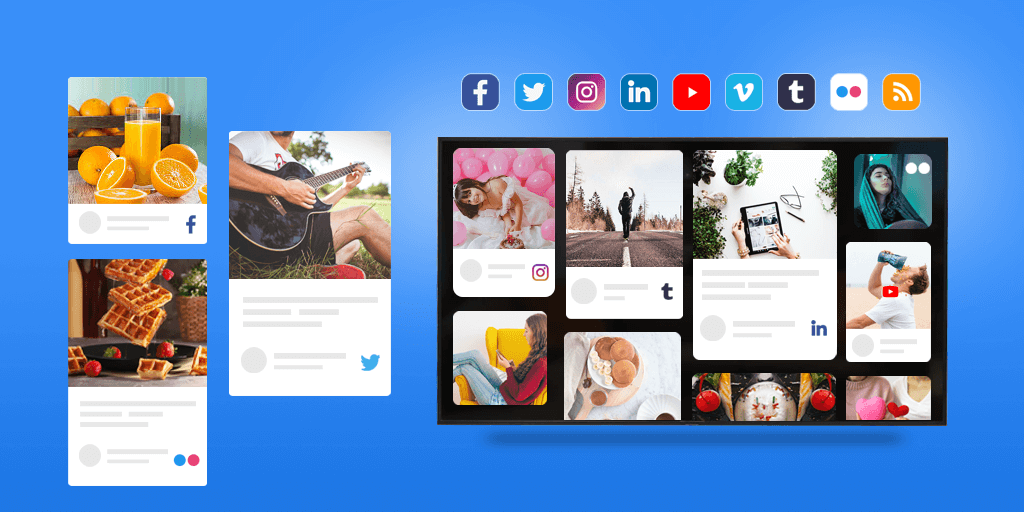
At a basic level, a social media wall works in four simple steps:
- Content Collection
Posts are pulled from platforms like Instagram, X (Twitter), Facebook, or others using hashtags, mentions, or specific accounts. - Content Moderation
Before anything goes live, the content can be reviewed to filter out spam, irrelevant posts, or inappropriate material. - Display & Design
Approved content is shown on a digital screen, website, LED wall, or projector using layouts like grids, sliders, or full-screen visuals. - Live Updates
As new posts come in, the wall refreshes automatically, keeping the experience fresh and engaging.
This simple flow is what makes social media walls powerful—minimal effort, maximum audience involvement.
Why Are Social Media Walls So Popular?
Social media walls aren’t just visually appealing. They solve real engagement problems that brands and event organizers face.
1. They Encourage Audience Participation
When people see their content displayed publicly, they’re far more likely to post, tag, and engage. It turns attendees into contributors.
2. They Build Instant Social Proof
Seeing real people share genuine experiences builds trust far faster than branded messaging alone.
3. They Increase Time Spent & Attention
Live, changing content naturally keeps people watching longer compared to static screens.
4. They Extend Reach Beyond the Event
Every post shared for the wall reaches not just attendees, but also the poster’s own followers—expanding visibility organically.
Where Are Social Media Walls Used?

Social media walls are incredibly versatile and work across industries.
Events & Conferences
Used to display attendee tweets, speaker quotes, audience reactions, and live discussions—making large events feel more connected.
Brand Launches & Campaigns
Perfect for showcasing influencer posts, customer reactions, and hashtag campaigns in real time.
Weddings & Celebrations
Guests share photos and messages using a wedding hashtag, creating a live digital memory wall.
Retail Stores & Showrooms
Displays customer reviews, Instagram posts, and UGC to influence buying decisions right at the point of sale.
Corporate Offices
Used internally to highlight company culture, employee posts, achievements, and announcements.
Social Media Wall vs Hashtag Wall: Is There a Difference?
A hashtag wall focuses only on content shared using a specific hashtag.
A social media wall is broader. It can pull content from:
- Hashtags
- Mentions
- Brand handles
- Reviews
- Multiple platforms at once
In short, every hashtag wall is a social media wall—but not every social media wall is limited to hashtags.
What Kind of Content Works Best on a Social Media Wall?
The most effective social media walls focus on authentic, people-driven content, such as:
- Attendee photos and videos
- Live reactions and quotes
- Short testimonials or reviews
- Behind-the-scenes moments
- Influencer or creator posts
Highly polished brand creatives matter—but real user content is what truly drives engagement.
Key Features to Look for in a Social Media Wall Tool
If you’re planning to use a social media wall, make sure the platform offers:
- Real-time content updates
- Strong moderation controls
- Multiple layout and design options
- Mobile and screen compatibility
- Easy setup and management
- Reliable performance during live events
A good social media wall should feel effortless to manage, even when the audience activity spikes.
Common Mistakes to Avoid
Even though social media walls are simple, a few mistakes can reduce their impact:
- Not moderating content before display
- Using unclear or complicated hashtags
- Overcrowding the screen with too much content
- Ignoring design and readability
- Not encouraging people to participate
A little planning goes a long way in making the wall effective.
Are Social Media Walls Worth It?
For brands and events focused on engagement, visibility, and community, the answer is yes.
Social media walls don’t just display content—they amplify voices, reward participation, and turn moments into shared experiences. In an age where attention is hard to earn, a live social feed gives people a reason to look up, join in, and stay connected.
Final Thoughts
A social media wall is more than a screen filled with posts. It’s a bridge between the digital and physical world—a way to bring online conversations into real-life spaces.
Whether you’re hosting an event, running a campaign, or building brand trust, social media walls offer a simple yet powerful way to make your audience part of the story.

 Social Wall